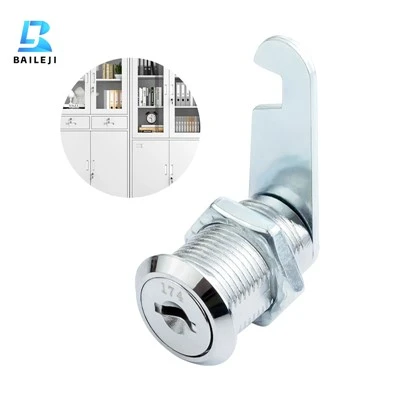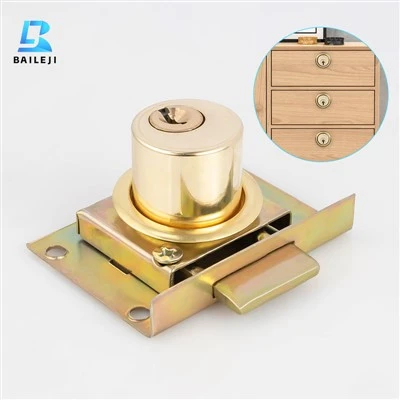
Combination locks, a common type of modern door lock, use digital passwords, card swipes, or mechanical keys to unlock, and are widely used in homes, offices, and other settings. Their core design revolves around security and convenience, employing multiple technical means to reduce the risk of being cracked while providing flexible unlocking methods. This article will introduce them from three dimensions: technical principles, security design, and usage.
Core Structure and Unlocking Principle: The main structure of a combination lock includes the lock body, control module, input panel, and power system. The lock body is made of high-strength metals such as stainless steel and houses a Class C smart lock cylinder. Its blade structure is more complex than traditional lock cylinders, resisting attacks from technical unlocking tools. The control module has a built-in security encryption chip that verifies the user's input password or card swipe data through multiple encryption algorithms. Only when the preset information matches will the power system trigger the bolt to retract. Some models support continuous password unlocking, allowing users to enter any numbers before and after the correct password to prevent others from obtaining the complete password through fingerprints or peeping.
Security Technology Analysis: The security design of the combination lock is reflected in three aspects: First, encryption technology, using a dynamic encryption algorithm to randomize the data for each unlocking, making it impossible to reproduce even if the signal is intercepted; second, lock cylinder protection, with a C-level lock cylinder equipped with an anti-theft lock body that can withstand the impact of forced entry, and some models also have an anti-drill steel plate; finally, an abnormal alarm function, when the wrong password is entered multiple times consecutively or the panel is forcibly damaged, the lock will trigger a high-decibel alarm and lock the system, requiring a mechanical key or administrator privileges to reset. The application of aerospace-grade metal materials further enhances the lock body's corrosion resistance and durability, making it suitable for humid or temperature-sensitive environments.
Usage and Scenarios: The combination lock supports three unlocking methods: password input, card swipe recognition, and mechanical key backup. Password length is typically 6-12 characters, and users can set their own combination rules; the card swipe function requires an encrypted access card, which uses an independent key encoding and can be immediately deactivated to prevent duplication if lost; the mechanical key, as an emergency solution, uses a hidden design to avoid exposing the keyhole location. In terms of installation scenarios, its universal design is compatible with standard door types, requiring no major modifications to the door body. The silver and gunmetal color options blend seamlessly with most interior design styles. During daily use, it's important to change the password regularly, avoid entering the password in public areas, and store the mechanical key in a secure location.
Technical Parameters and Selection Reference: Mainstream combination locks are primarily made of stainless steel with an anodized surface, combining wear resistance and aesthetics. The sealing process achieves an IPX4 waterproof standard, resisting everyday splashes of water. Regarding security parameters, the dual verification mode of encrypted access cards and passwords reduces the false opening rate to less than one in a million, and the cross-opening rate of C-level lock cylinders is close to zero. When selecting a model, focus on the lock cylinder level, encryption chip type, and emergency unlocking solution to ensure mechanical opening even in the event of a power outage or electronic malfunction. Models with ample stock usually come with complete installation accessories, allowing users to choose the appropriate lock body size based on door thickness.