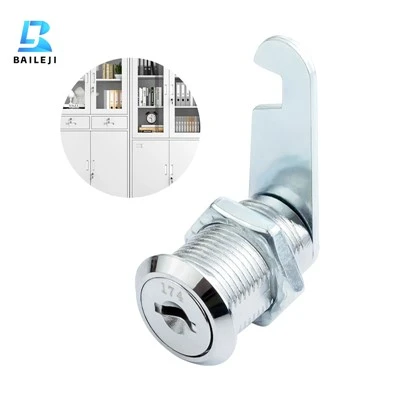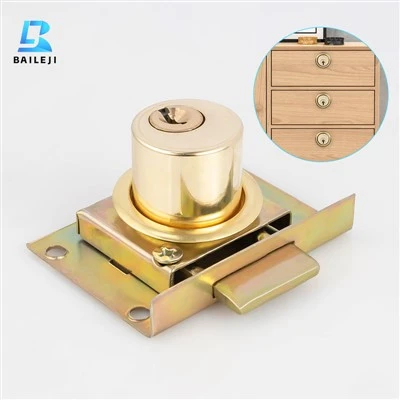
The core of a combination lock is security, exclusivity, and convenience. It's both a physical barrier and a symbol of privacy management in the digital age.
1. Symbol of Security Protection: The most direct representation of a combination lock is security. Whether it's a home front door, a company office, or a private safe, installing a combination lock is like setting up a reliable barrier, effectively preventing unauthorized entry and protecting internal personnel, property, or important documents from harm. In the digital realm, locks on mobile phones and computers extend this protection to personal information, preventing privacy leaks.
2. Privacy and Exclusivity: It symbolizes exclusive control. Those who know the password are granted access rights, reflecting the exclusivity of a specific space or item. For example, companies use combination locks to manage filing cabinets; only authorized employees can access them, protecting trade secrets and strengthening internal management order.
3. Technology and Convenience: Combination locks represent the convenience of modern technology. Compared to traditional mechanical locks, they eliminate the constraints of physical keys, avoiding the risks of loss, forgetting, or duplication. Access becomes easy and efficient through simple number combinations, fingerprint recognition, or even mobile app control, making it especially suitable for fast-paced urban lifestyles.
4. Order and Norms In communal environments, combination locks embody management norms. Lockers in schools, gyms, or shared office spaces often use combination locks, which users access through agreed-upon or assigned methods. This promotes the orderly allocation of resources and self-discipline in the public environment, reducing management disputes.