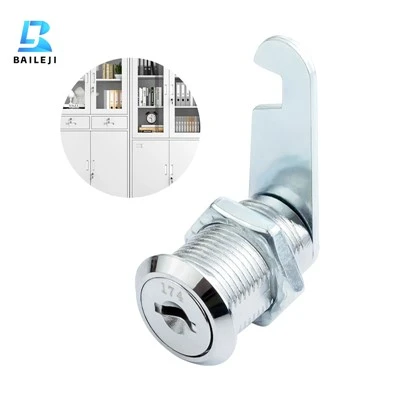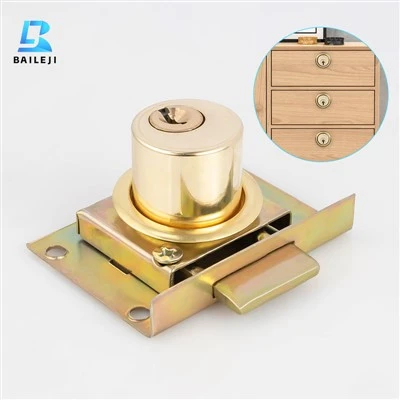
A combination lock is a device used to secure items, controlling the opening of the lock through password input. It is widely used in safes, door locks, luggage, and many other fields. For the products mentioned above, please click below to learn more about their specifications.
Its core structure typically consists of a password input device, a bolt control mechanism, a power system (for electronic combination locks), and a casing. These parts work together to ensure the security and reliability of the combination lock.
The password input device is the key part of the interaction between the lock and the user, determining how the user enters the password. In traditional mechanical combination locks, password input is usually achieved by rotating a dial or pressing buttons. The user must accurately enter a preset password combination for the lock to open. Electronic combination locks use more advanced input methods, such as numeric keypads, touchscreens, or fingerprint recognition. These methods not only improve the convenience of input but also enhance the security of the combination lock. For example, fingerprint recognition technology effectively prevents the risk of password cracking or theft by recognizing the uniqueness of the user's fingerprint.
The bolt control mechanism is the core component that enables the combination lock to lock and unlock. In mechanical combination locks, the bolt control mechanism typically consists of a series of gears, springs, and levers. When the user enters the correct combination, these components work together to retract the bolt, thus opening the lock. In electronic combination locks, the bolt control mechanism relies more heavily on electric components such as motors or electromagnets. Upon receiving the correct combination signal, these components drive the bolt to extend or retract, opening and closing the lock.
The power system is an indispensable part of electronic combination locks, providing power for all their functions. The power system usually consists of batteries or an external power adapter, ensuring stable performance during extended use. To conserve power and extend battery life, electronic combination locks also feature low-power designs, such as an automatic sleep function. When the lock is inactive for a period of time, it automatically enters a sleep state, reducing power consumption.
The outer casing, as a protective layer, not only serves an aesthetic purpose but also protects the internal delicate mechanical or electronic components from external interference and damage. The casing is typically made of durable metal or plastic to ensure stable performance during long-term use.
Furthermore, with continuous technological advancements, the structure of combination locks is constantly being innovated and optimized. For example, some high-end combination locks are equipped with alarm functions, which immediately sound an alarm when the lock is illegally pried open or forcibly damaged, reminding the user to take timely action. Additionally, some combination locks support remote control functions, allowing users to open or close the lock remotely via a mobile app or remote controller, greatly enhancing user convenience.